
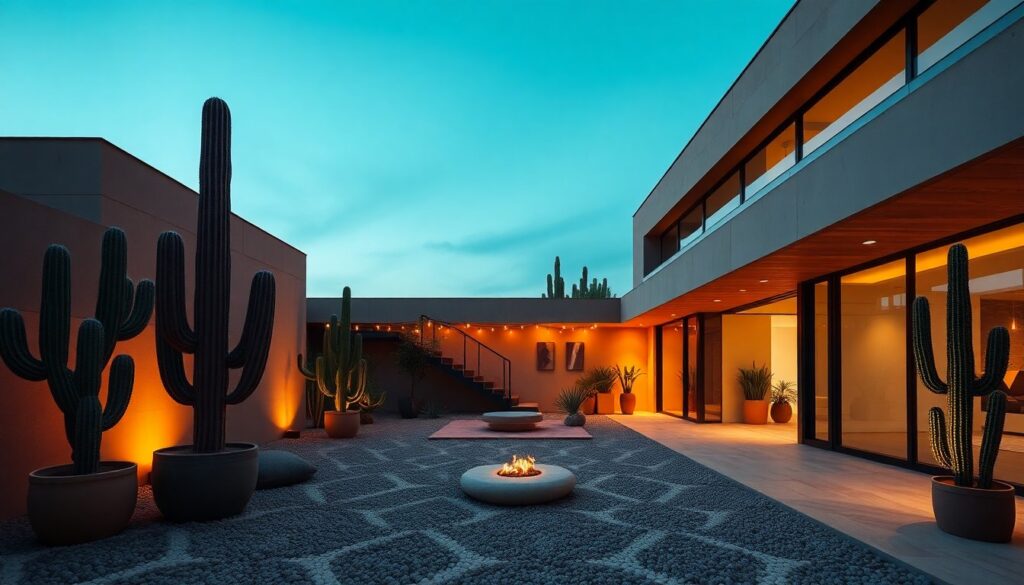
Architecture design cactus buy game fallodernism appears as a new trend in contemporary homes. It pairs desert plants, clear geometry, and playful spatial rules. Designers test form and function with cactus motifs and game ideas. Readers will learn origins, key principles, and practical buying tips. The text will stay direct and practical for designers, buyers, and curious homeowners.
Table of Contents
ToggleKey Takeaways
- Fallodernism blends modernist structure with playful cactus motifs, creating visually surprising yet functional architecture design.
- Incorporate cactus elements like lamps, planters, and wall art made from durable materials such as ceramic and steel to enhance both aesthetics and practicality.
- Use game-inspired spatial design by arranging furniture and lighting to guide movement and define zones, making spaces intuitive and engaging.
- When buying fallodernism pieces, prioritize scale, material quality, and compatibility with existing color palettes to maintain clear, clutter-free environments.
- Maintenance is straightforward: living cacti need minimal care, while decor pieces require simple cleaning and occasional upkeep to preserve their look.
- Smart purchases include modular furniture and programmable lighting that support flexible, active living spaces aligned with fallodernism principles.
What Is Fallodernism? Origins, Core Principles, And How It Differs From Other Movements
Fallodernism started when designers mixed late modern lines with playful, referential objects. It grew in small studios and online communities. The movement values plain shapes, ironic accents, and desert references. It rejects pure minimalism and rejects maximal clutter. It keeps clear structure and adds visual surprises. Practitioners emphasize contrast. They pair flat planes with textured cactus elements. They balance utility and visual humor.
Fallodernism borrows from modernism, postmodernism, and vernacular desert architecture. It keeps modernist grids and rejects heavy ornament. It borrows postmodern color and symbolic objects. It borrows local materials from arid climates. The result feels familiar and fresh.
Core principles guide design choices. Designers favor local materials, simple geometry, and plant motifs. They use cactus forms as icons rather than literal gardens. They treat those icons as furniture, lighting, or wall art. They limit color to a clear palette. They prioritize daylight, shade, and thermal comfort. They craft spaces that read cleanly on first glance and reveal details on inspection.
Fallodernism differs from other movements in key ways. It keeps modern structure but adds playful objects. It avoids pastiche by keeping restraint. It avoids fetishizing historical detail. It uses cactus motifs as functional objects when possible. It uses irony but keeps craft. It asks: can a cactus lamp work like a regular lamp? Designers answer yes when they keep scale and material sensible.
Collectors and buyers respond to this clarity. They buy objects that signal the movement without overwhelming the home. They want pieces that fit a plan and a lifestyle. They look for products that combine simple form with cactus reference. They choose durable finishes and clear lines.
Integrating Cactus Motifs And Biophilic Elements In Fallodernist Design (Materials, Placement, And What To Buy)
Designers place cactus motifs where they add visual anchor and function. They mount metal cactus wall hooks near entryways. They set ceramic cactus planters on shelves. They place cactus-patterned rugs in living areas. They use living cacti for low-maintenance biophilia in sunlit niches.
Materials matter. Designers use matte ceramics, powder-coated steel, and warm plaster. They avoid glossy plastics that read cheap. They prefer natural fiber textiles and earthenware. They choose finishes that age well under sun and dust.
Buyers should select pieces that match scale and light. They measure wall height before buying tall cactus sculptures. They test planter drainage before buying living plants. They choose artificial cactus only when light is insufficient. They pick sizes that keep sightlines open.
Practical buying tips follow. First, pick pieces that serve a use. Choose cactus lamps that provide adequate light. Choose planters that fit potting needs. Second, verify material and finish. Check for UV resistance for outdoor items. Third, match color and texture to the room palette. Keep one or two cactus motifs per room to avoid visual noise.
Maintenance stays simple. Living cacti need sparse water and bright light. Ceramic and steel pieces clean with a soft cloth. Textiles benefit from occasional vacuuming. Buyers factor maintenance into purchase decisions.
Retail sources vary. Buyers check local makers for unique ceramics. They use design stores for lamps and furniture. They use plant nurseries for healthy specimens. They use online marketplaces when they confirm return policies and accurate photos. The right buy supports the design and saves time.
Game-Inspired Spatial Design: Translating Digital Mechanics Into Physical Architecture And Smart Purchasing Decisions
Designers borrow game logic to shape fallodernist interiors. They apply level design, clear objectives, and play loops to rooms. They define sightlines as camera angles. They create zones as game levels. They set circulation paths as quest routes. They add focal objects that act like rewards.
This translation clarifies how people move and feel. Designers place steps, platforms, and seating to guide motion. They use lighting cues to signal importance. They use color blocks to mark transition areas. They test layouts like a player tests a map. They iterate quickly and measure results.
Buyers respond well when spaces feel intuitive. They choose furniture that supports clear flow. They buy modular pieces that reconfigure like game tiles. They select smart lighting that changes scenes with one switch. They prefer finishes that hide wear in high-traffic zones.
Smart purchases improve long-term value. Buyers invest in durable modular seating. They buy multifunctional storage that doubles as a stage or platform. They pick resilient rugs that define play zones. They add low-profile barriers to manage sightlines without blocking light.
Technology supports this approach. Sensors trigger light scenes. Motion-activated fixtures enhance wayfinding. Programmable shades alter daylight and privacy. Buyers choose systems with open standards to avoid vendor lock-in.
Practical buying checklist follows. First, map intended activities and daily routes. Second, choose modular furniture that fits those routes. Third, pick lighting that offers scene presets. Fourth, invest in durable finishes in high-use areas. Fifth, confirm return and warranty terms before purchase.
Fallodernist game-inspired design rewards clear choices. Buyers who buy with a plan get spaces that feel active and calm. They get homes that invite use and show personality without clutter.