
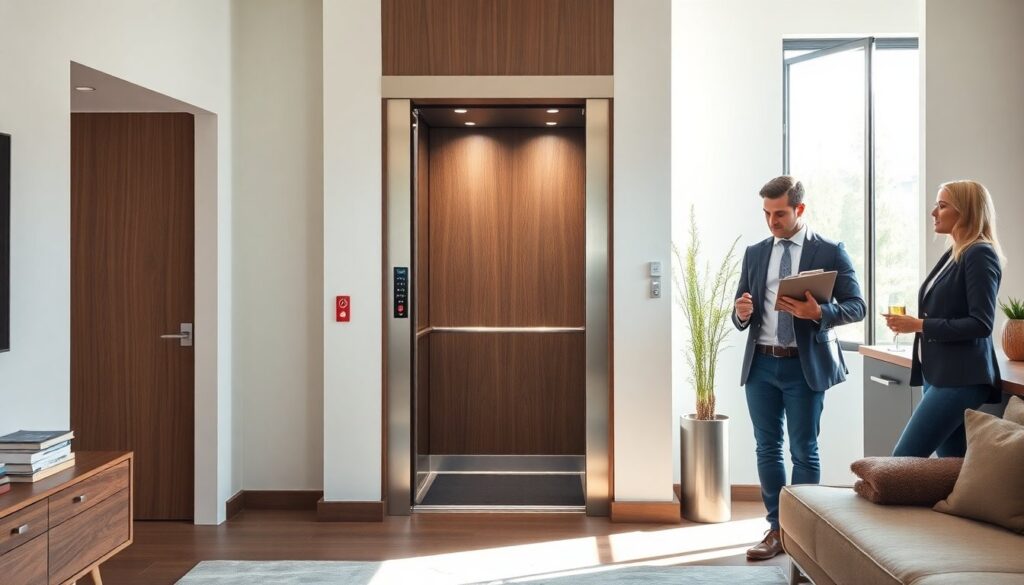
Technology design home elevators fallmodrnism shapes modern houses in 2026. Designers pair smart systems with clean lines. Homeowners want comfort, safety, and clear style. The article shows key tech, safety features, and design points. It helps buyers and designers make concise choices about technology design home elevators fallmodrnism.
Table of Contents
ToggleKey Takeaways
- Technology design home elevators fallmodrnism combine smart technology with sleek, modern design to enhance comfort, safety, and aesthetic appeal in contemporary homes.
- Homeowners and designers prioritize safety features like brakes, sensors, emergency power, and regular maintenance to ensure reliable elevator performance.
- Smart home integration allows remote monitoring, voice control, and preventive maintenance alerts, increasing convenience and security for elevator users.
- Designers emphasize fall modernism through clean lines, neutral tones, and glass panels, while architects select compact and space-saving elevator models suitable for varied floor plans.
- Buyers should compare elevator types, costs, warranties, and energy efficiency to make informed decisions that align with their home’s design and budget.
- Proper installation with certified professionals and adherence to local codes guarantees safety, functionality, and increases home value with technology design home elevators fallmodrnism.
Why Install A Home Elevator Today: Comfort, Safety, And Style
Homeowners choose technology design home elevators fallmodrnism for clear reasons. They want easy movement between floors. They want fewer trips on stairs. They want better access for guests and family. Older adults prefer elevators for safer movement. Caregivers use elevators to move equipment and supplies. Designers use technology design home elevators fallmodrnism to add a modern focal point. Builders install elevators to increase resale value. Buyers expect energy-efficient systems. Architects value elevators that match fall modernism lines and muted palettes. Homeowners compare models by size, load capacity, and maintenance needs. They check local codes and installer credentials. They ask for quotes that list parts, labor, and warranty.
Key Technologies Powering Modern Home Elevators
Manufacturers improve elevators with modern drives, compact machines, and smart controls. Buyers evaluate these technologies for efficiency and lifespan. The section covers core safety systems and smart home integration and shows how technology design home elevators fallmodrnism fit existing homes.
Safety Systems And Performance (Brakes, Sensors, Emergency Power)
Elevator makers install multiple safety layers. Brakes stop the car if the drive fails. Sensors detect door obstructions and overtravel. Weight sensors prevent overload. Emergency power moves the car to a safe floor during outages. Control logic isolates faults and alerts technicians. Regular inspections test brakes, doors, and cables. Homeowners schedule service at recommended intervals. Installers provide clear manuals and emergency procedures. They label emergency stops and phone contacts. Designers place access panels where technicians can reach them. Buyers check certification for safety systems. They prefer systems that meet local code and third-party testing. Technology design home elevators fallmodrnism often include sealed drives that need less maintenance and offer quieter stops.
Smart Home Integration And Remote Monitoring
Smart systems add convenience and preventive care. Home elevators connect to home networks for status updates. Owners receive alerts for faults, maintenance due, and battery levels. Installers enable remote diagnostics to reduce travel time for technicians. Voice assistants can call the elevator to a floor. Occupants set access rules by time or user code. Security systems log use and show timestamps. Software updates patch known issues and add features. Owners guard privacy by restricting access to logs and by updating passwords. Service teams use encrypted links for remote sessions. Technology design home elevators fallmodrnism often ship with apps that show ride history and energy use.
Design And Practical Considerations: Fall Modernism, Space, And Cost
Designers align elevator form with fall modernism for a calm, geometric look. They use straight lines, natural textures, and neutral tones. Glass panels add light and sightlines. Metal trims add a subtle contrast. Architects balance visual impact with floor plan limits. They choose shaftless lifts to save space. They select compact cabs for narrow homes. They place elevator doors near entry points to ease flow. Structural engineers evaluate loads and footing. They add reinforcement when needed. Cost varies by drive type, finish, and installation complexity. Buyers compare hydraulic, traction, and pneumatic options by upfront cost and long-term service. They factor in permits and inspection fees. They collect three bids to compare warranties and timelines. Installers offer staged delivery when homeowners live on-site. Designers choose finishes that match cabinetry and floors. They test sample panels in daylight and night light. Homeowners weigh cost against increased usability and home value. They review maintenance plans and expected life. They confirm that technology design home elevators fallmodrnism fit the budget and the house plan. Manufacturers list expected energy use and noise levels for comparison. Buyers schedule a site visit to confirm dimensions and clearances.