
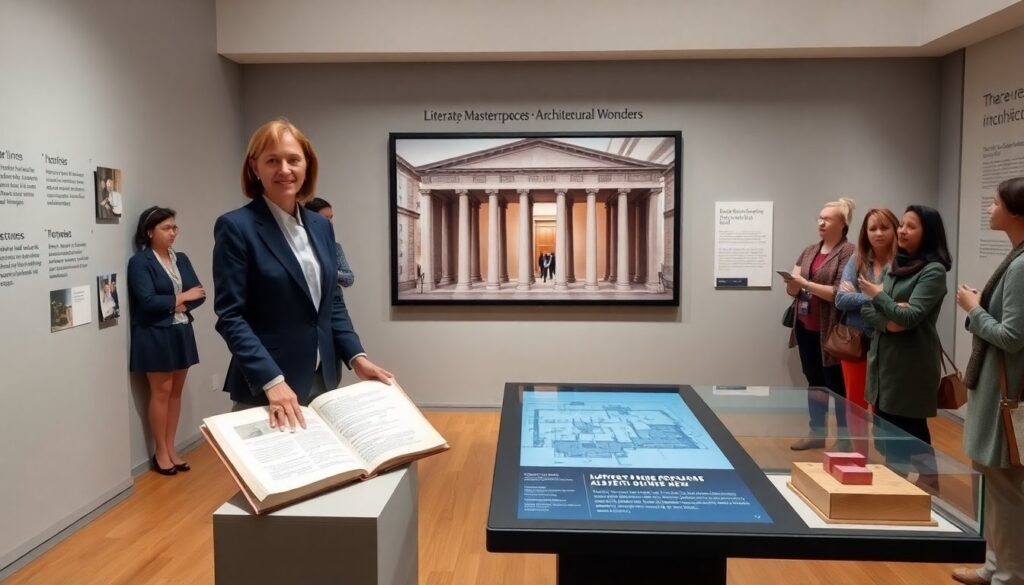
Literary masterpieces architectural wonders fllmdrnismt appear together in studies and tours. The field links books, buildings, and social life. Scholars test how text and form shape meaning. Readers and visitors learn new patterns when they compare novels and sites. The article explains the idea and offers concrete ways to explore it in 2026.
Table of Contents
ToggleKey Takeaways
- Literary masterpieces architectural wonders fllmdrnismt links novels and buildings to reveal new meanings through shared techniques of shaping space and narrative.
- Fllmdrnismt as a movement emphasizes material detail, lived experience, and plural methods to explore text, image, and place as equal evidence.
- Case studies highlight how pairing literary works with architectural sites deepens understanding of social isolation, class, gender, and cultural memory.
- Practical exploration involves combining reading with site visits, guided tours, digital overlays, and community-led projects to connect literature and architecture.
- This approach supports educational fieldwork and revitalizes cultural heritage by fostering meaningful interaction between texts and physical spaces.
Why Literary Works and Buildings Mirror Each Other
Writers shape scenes with details. Architects shape places with materials. Literary masterpieces architectural wonders fllmdrnismt highlights shared techniques. Narrators control rhythm and view. Designers control light and flow. Both media guide attention and memory. Both media record social values and conflict. Readers notice setting and tone. Visitors notice scale and texture. Critics trace motifs across pages and facades. Historians link construction dates to plot eras. Curators pair texts with spaces to deepen meaning. Students test interpretation by visiting the site and rereading the text.
Defining Fllmdrnismt: Origins, Principles, And Cultural Role
Scholars coined fllmdrnismt to name a set of cross-disciplinary practices. Fllmdrnismt studies text, image, and place together. Literary masterpieces architectural wonders fllmdrnismt treats narrative and plan as equal evidence. The movement grew from conferences in the late 2010s. The movement adopted three core principles: close attention to material detail, priority for lived experience, and plural methods for reading space. Researchers apply the term to novels, films, and buildings. Museums and universities host panels and exhibits on fllmdrnismt. The term helps communities link heritage with storytelling. It also helps planners consider cultural memory in reuse projects.
Case Studies: Three Pairings Of Novels And Architectural Sites
This section lists three clear pairings. Each pairing shows how literary and built forms interact. The examples use distinct eras and regions.
How Fllmdrnismt Shapes Interpretation, Narrative, Space, And Experience
Pairing one pairs a modernist novel with a civic building. Literary masterpieces architectural wonders fllmdrnismt shows how sparse prose echoes minimal façades. The novel uses silence to mark social isolation. The building uses open plan to stage civic ritual. Visitors report that walking the stair clarifies the novel’s pacing. Critics use photographs to compare chapters with corridors.
Pairing two pairs a realist novel with a tenement block. The novel records daily labor and gossip. The block preserves original shopfronts and stairways. Architects and historians document repairs and additions. Literary masterpieces architectural wonders fllmdrnismt helps readers see class and gender in both text and stone. Local groups lead walking tours that read chapters at specific rooms.
Pairing three pairs a speculative novel with a rebuilt industrial site. The novel imagines future uses for machinery and yards. The site now hosts art and residency programs. Planners record adaptive reuse and community input. Literary masterpieces architectural wonders fllmdrnismt frames the site as an argument about memory and change. Schools use the pairing for fieldwork and writing prompts.
Practical Ways To Explore These Intersections Today
Readers can plan visits that pair books and places. They can read a chapter before they walk a room. They can compare passages with materials and light. Tour groups can record oral histories at sites. Students can map scenes to floor plans. Museums can label exhibits with relevant quotations. Libraries can create shelf displays that match local architecture. Digital projects can overlay text on photos of façades. Literary masterpieces architectural wonders fllmdrnismt supports community-led projects. Individuals can start small projects by pairing one book with one nearby building. They can document their findings with short essays and images. Local councils can fund small grants for such projects to reach wider audiences.