
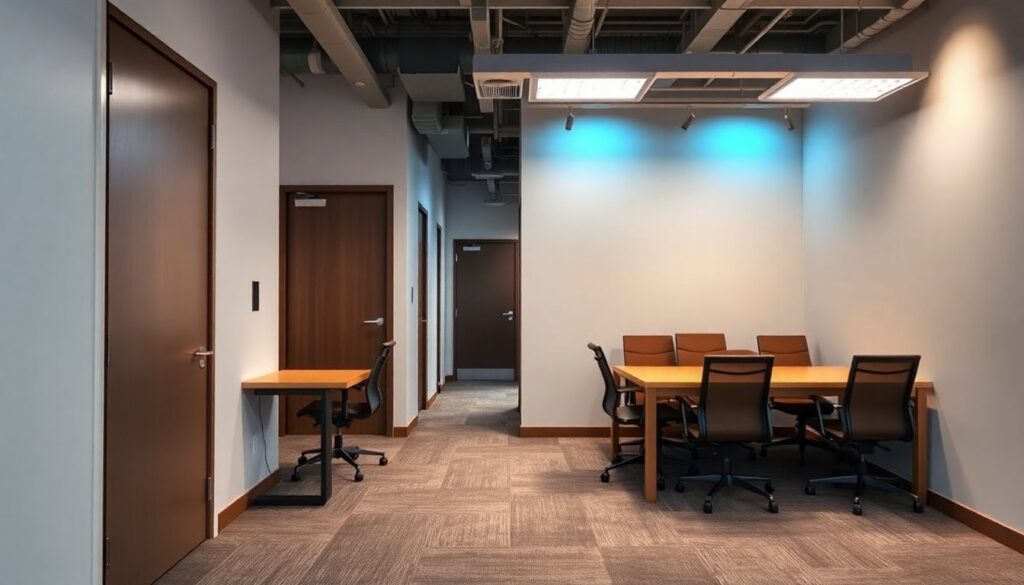
They search for access doors office space fllmdrnsmyhnrf when they plan office updates. This guide gives clear steps and key checks. It lists types, materials, placement rules, and model decoding. The reader gets fast, practical advice. The style stays direct and factual. The guide helps facility staff, designers, and managers pick the right access door.
Table of Contents
ToggleKey Takeaways
- Access doors office space fllmdrnsmyhnrf enhance security, functionality, and aesthetics in modern office designs by providing safe and convenient access to systems.
- Choosing the right access door involves assessing function, security, fire codes, size, finish, and budget to ensure long-term efficiency and maintenance ease.
- Common materials for access doors include steel for strength, aluminum for light weight and corrosion resistance, and composites for cost savings and sound control.
- Understanding model codes like FLLMDRNSMYHNRF requires consulting manufacturer documentation to decode frame types, materials, and special features accurately.
- Proper placement and sizing are essential to comply with building codes, avoid obstructions, align with structural framing, and meet accessibility and fire safety requirements.
- Regular maintenance—such as biannual inspections and timely replacement of worn parts—is critical for the durability and smooth operation of access doors office space fllmdrnsmyhnrf.
Why Access Doors Matter In Modern Office Design
Access doors office space fllmdrnsmyhnrf serve security and function. They hide controls and let teams reach systems. They also affect aesthetics and workflow. A good access door reduces downtime and keeps finishes clean. Designers value access doors for integration with ceilings and walls. Facilities teams value access doors for safe service and faster repairs. Owners value access doors for long-term cost savings and reduced work disruption.
Common Types, Materials, And Finish Options
They pick access doors office space fllmdrnsmyhnrf in several styles. Flush doors sit level with the wall or ceiling. Surface-mount doors overlap the opening edge. Security doors include locks and tamper-proof fasteners. Materials include steel, aluminum, and composite panels. Steel offers strength. Aluminum offers light weight and corrosion resistance. Composite offers cost savings and sound control. Finishes include paint-ready, powder-coat, and wood-grain face. They match the finish to the interior and maintenance needs.
Choosing The Right Access Door For Your Office
They evaluate function first when they pick access doors office space fllmdrnsmyhnrf. They list what the door must access and how often staff will open it. They check security needs and fire requirements next. They measure the opening and plan for trim and clearance. They test sample finishes in the actual lighting. They confirm lock types and hinge orientation. They set a budget that includes installation and future maintenance. They document the model and location in building records.
Decoding Model Codes: What FLLMDRNSMYHNRF Could Mean
They break model codes into parts to read them. The code FLLMDRNSMYHNRF likely encodes frame type, latch, material, and finish. For example, the first letters may indicate frame style. The middle letters may indicate material and insulation. The final letters may indicate special features like locks or fire rating. They always ask the manufacturer for a code legend. They never assume code parts without documentation. They confirm the code FLLMDRNSMYHNRF with the supplier before purchase.
Placement, Sizing, And Compliance Considerations
They plan placement to allow safe access and service. They size access doors to fit the largest service panel or equipment handle. They avoid placing doors where furniture will block them. They align doors with structural framing to simplify cut-ins. They check local building codes for fire and egress issues. They confirm acoustic and thermal needs for doors that seal mechanical spaces. They record door locations on as-built drawings and maintenance logs.
Fire, Accessibility, And HVAC Code Checklist
They confirm fire rating for doors that access rated assemblies. They choose self-closing or labeled doors where code requires it. They check accessibility rules to ensure reach and operability height. They confirm lock types do not block emergency access. They ensure HVAC access doors seal to prevent air leakage when closed. They label doors with location and service purpose. They save certificates and test results with the project file.
Installation, Maintenance, And Practical Tips For Facilities Teams
They follow manufacturer instructions for installation of access doors office space fllmdrnsmyhnrf. They verify framing and clearances before they cut openings. They secure the frame to structure with specified fasteners. They adjust the door for smooth operation and even gaps. They train staff on lock keys and opening procedures. They schedule inspections twice a year for hinges, seals, and hardware. They replace worn gaskets and tighten fasteners promptly. They keep spare parts for the model FLLMDRNSMYHNRF on site when it serves critical systems.