
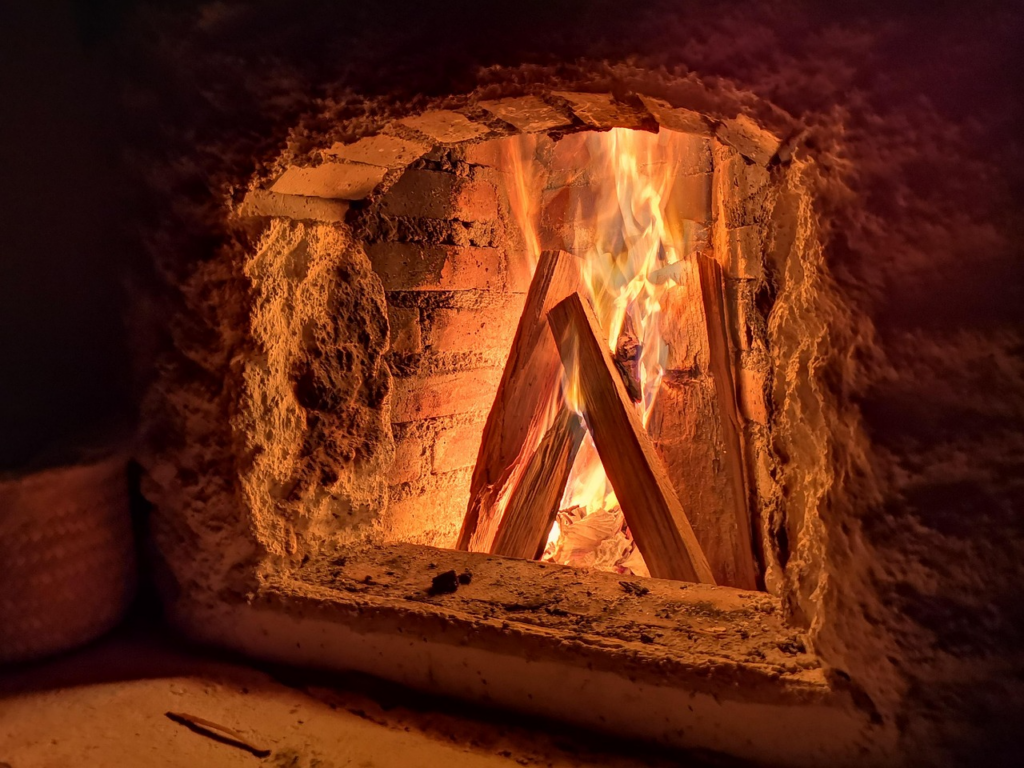
Brick opening can conceal a lovely feature in your room. You could find yourself opening up to reveal nothing, a broken fireplace, or a fireplace that has never been checked.
This is something that will require some DIY work and decorating. Read this before starting to see what jobs are what and what you need to open up your brick fireplace correctly.
Table of Contents
ToggleWhat This Guide Covers:
- What’s behind that brick?
- Plan Your Job
- Open your fireplace
- Make sure your Chimney is Safe
- Decorate your Fireplace Opening
- Final Thoughts
What’s behind that brick?
Treat the chimney breast as a clue rather than proof. Look for evidence of a chimney stack and arrange to confirm the structure and flue. There may be indications of an old hearth, or you could notice a line of different skirting boards. Perhaps there’s a picture under your wallpaper of the fireplace that was once there.
These will all give you some indication of where your fireplace once was. However, it’s important that you inspect what’s behind your brick fireplace before opening It Up.
Take photos and measure the area you are wanting to open up.
You could have rubble, soot, a fireplace insert, etc behind your bricked-up fireplace. You may not know why it was bricked over. It could have been a faulty chimney, so make sure to get an inspection done before trying to open it.
Make sure you are aware of any of these:
- Cracks in the chimney breast or wall
- Damp or smell of smoke
- Signs of the fireplace being opened or altered previously
- Gas pipe, cable, or other unknown substance
Always call a professional if you think there could be an issue with any of the above points. Check with the local planning authority whether listed building consent is needed before changing the fireplace. It’s always worth keeping an original feature.
Plan Your Job
What do you want to achieve with your newly opened fire place. Do you just want to have an opening to decorate or would you like to fit a fire or stove in it.
You’ll need to take in to consideration your hearth, chimney, builder etc if your going to be lighting your newly found fire place.
MyJobQuote has a great page that explains what costs to expect when opening up your fire place: www.myjobquote.co.uk/costs/open-up-fire-place.
When talking to your builder about your project they will be able to break down each task you will need done to open up your brick fireplace.
Make sure to protect the area around the chimney breast. Remove any furniture, curtains etc and cover your floors with more than what is needed around the breast.
Ask your builder to point out where your fire place used to be and how high up the chimney you will need to go to break through. Always ensure that your builder knows what they are doing, don’t assume your breaking through just one course of brick.
Open your fireplace
Your builder will be able to break through and remove the brick safely once they’ve assessed the area. Here’s how to do it:
Step One
Cover your floor and any doors leading to other rooms if you can. Children and pets should stay out of the area while your opening up your chimney breast. Use PPE if you are working with any dust. Stop work if asbestos-containing material is suspected. Arrange competent assessment before disturbing it. PPE alone is not sufficient.
Point out where your builder has told you to break through. Do not widen or heighten the opening without a competent builder assessing the structure. Leave masonry removal to suitable tradespeople.
Step Two
Once your builder has started breaking through your brick, they can start to expose the original opening. They will need to make sure that the side walls of the fireplace haven’t been compromised and that there is a lintel.
Make sure no brick is being taken out under any unsupported brick. Have the builder check the lintel and structural support, and correct any deficiencies before further bricks are removed.
Step Three
Now that your fireplace should be open, you can start to clear away any rubble and soot that’s inside. Again, use PPE and don’t brush your soot around your house!
Make sure there isn’t any damp or damage to your exposed bricks. If there are any previous fireplace inserts, leave these for now.
Step Four
Have your builder or plasterer fix any brick that needs replacing or filling in. You can leave any good quality original brick exposed. There are many renders out there that won’t work on brick that is older or prone to damp.
Once you’re ready to decorate, read on…
Make sure your Chimney is Safe
Now you have a nice opening; it’s not safe to assume your chimney is safe to use. There could be birds, debris, cracks, or blockage inside your chimney that you can’t see from the fireplace.
Fire and Rescue Services attended 1,665 chimney fires in England in the year ending March 2026. So please make sure you have your chimney swept and your flue checked if you’re looking to light your chimney breast.
There are many rules and regulations when it comes to fitting a fire or stove into your brick opening. In England, Approved Document J gives guidance on combustion appliances, fireplaces, flues, ventilation and hearths. if you’re living in England. For a new solid-fuel installation in England, obtain Building Control approval or use a registered competent-person installer entitled to self-certify the work. If you’re installing a gas appliance, make sure to use a Gas Safe Registered installer.
If you’re in a smoke control area, you should check what fuel or appliance you’re allowed to use. Also remember to fit CO alarms in accordance with building regulations.
If your fireplace isn’t going to be used, how should you ventilate the flue? Speak to your installer; it could cause issues with damp if you’re not careful. Have the flue and appliance assessed together, and complete any required approvals before lighting a fire. Sweeping alone does not confirm suitability.
Decorate your Fireplace Opening
Once you’re happy that your fireplace opening looks good, it’s time to decorate. Make sure your brick is nice and clean; you don’t want to ruin any good quality brick that you’ve spent money on exposing.
Don’t use too much water, or scrub with too much force on your bricks if you’re cleaning them.
There are many options when it comes to decorating your fireplace:
- Expose your brick – If your brick is of a decent quality, this could be a good option to leave it exposed.
- Plaster in your fireplace – This would create a nice, simple opening to your fireplace. If your walls and skirting boards are the key features of your room, this might be your best choice.
- Keep your old tiles/insert – If you were lucky enough to have old tiles or a fireplace insert, this may be your favourite option.
Confirm material suitability and required clearances with the installer before placing combustible ornaments, timber trims, ordinary paints or sealants near a working fire. If you’re lighting a fire, you’ll need to be aware of the distance your decorations need to be from the heat source.
Lastly, make sure your hearth is suitable for what you want to use your fireplace for. If you’re going to fit a fire, your installer will be able to tell you what you need to comply with building regulations. If your fireplace will just be used for decor, a nice slab could look great on your hearth.
Final Thoughts
As you can see, there’s quite a bit to consider when opening up a fireplace. Always make sure you have a safe structure in place and decide how you’re going to finish your fireplace off before opening It Up.
A fireplace doesn’t need to be lit to become the centerpiece of your room.