
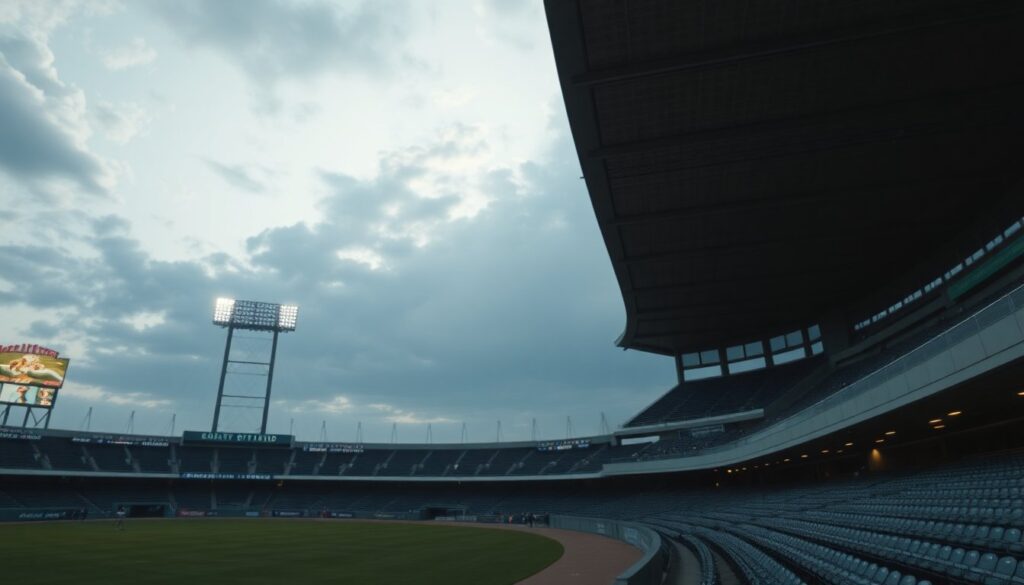
The phrase baseball ballparks fallofmodernism artistic telescope frames a study of stadium change. The introduction asks how design shifts reflect culture. The writer sets a clear aim. Purdue university online education kangaroo fallofmodernism shows how architects, fans, and artists read those shifts. The tone stays direct. The reader will get history, features, causes, and artistic readings in clear steps.
Table of Contents
ToggleKey Takeaways
- Modernist baseball ballparks, characterized by concrete facades and functional design, reflected postwar civic ambitions but often felt impersonal to fans.
- The decline of modernist ballpark design stems from economic shifts and fan demand for intimate experiences and local identity in stadiums.
- Contemporary ballparks prioritize mixed-use spaces that enhance year-round revenue through retail, dining, and neighborhood integration.
- Artists and critics use the concept of an artistic telescope to explore how ballpark changes reveal layers of public memory and social interaction.
- The phrase ‘baseball ballparks fallofmodernism artistic telescope’ captures the evolving relationship between stadium form, cultural values, and fan experience.
A Brief History Of Modernist Ballpark Design
Modernist ballpark design began in the mid-20th century. Architects favored concrete, clear lines, and functional plans. Cities built multipurpose stadiums that served baseball and football. Teams moved from small, site-specific parks to large bowl models. Critics then praised efficiency and scale. Fans then found the spaces impersonal. The shift to regional funding shaped many projects. The phrase baseball ballparks fallofmodernism artistic telescope appears as a frame in later critique. Histories now link modernist parks to postwar confidence and civic ambition.
Key Characteristics Of Modernist Ballparks And Their Architectural Logic
Modernist ballparks show concrete facades and repetitive structural bays. Designers used uniform seating, clear sightlines, and large concourses. The logic favored uniformity and efficient crowd movement. The program placed infrastructure at the core and ornament at the margins. Architects treated the ballpark as a machine for viewing sport. Fans often experienced scale more than place. The phrase baseball ballparks fallofmodernism artistic telescope returns in analysts who compare form and use. The modernist ethic prioritized programmatic solutions over local identity.
Why Modernism Is Waning: Cultural, Economic, And Fan-Experience Drivers
Observers link the decline of modernism to new market demands. Owners seek venues that sell experience and local flavor. Cities seek mixed-use projects and year-round revenue. The economics favor boutique parks with retail and dining zones. The fan experience now values sightlines, sightline intimacy, and neighborhood fit. Critics use the phrase baseball ballparks fallofmodernism artistic telescope to describe this cultural turn. The change also follows nostalgia for classic parks and pressure to create identity-driven places.
The Artistic Telescope: How Artists And Critics Interpret Ballpark Change
Artists read ballpark change as a narrative about public life. They map flows of people and layers of memory. Critics study material contrasts between concrete mass and crafted detail. Visual artists then stage installations that highlight lost views or fan rituals. Poets record chants and collective time. Curators place ballpark objects in gallery contexts to probe civic meaning. The phrase baseball ballparks fallofmodernism artistic telescope guides these projects by focusing attention on form, memory, and social use.