
civil engineering filipino architecture fallmodrnsm drove new forms after 1970s modernism. Technology design home elevators fallmodrnism explains how engineers changed structures, materials, and urban responses. It shows clear links between technical practice and cultural expression. Readers will find concise history, key roles, and practical design principles that professionals can apply today.
Table of Contents
ToggleKey Takeaways
- Civil engineering Filipino architecture fallmodernism evolved after 1970s modernism by integrating local culture, climate, and materials into design.
- Engineers played a crucial role in shifting architecture from pure style to performance, enhancing safety, comfort, and cultural relevance.
- Iconic projects demonstrate how engineering solutions like shading, material changes, and flood adaptations improve functionality while preserving modernist elements.
- Design principles such as prioritizing seismic safety, optimizing building orientation, and using local materials and labor are essential in fallmodernist Filipino architecture.
- Reusing sound modernist structures combined with effective water management reduces costs and promotes sustainability in building projects.
Historical Context: Modernism In The Philippines And Its Decline
Modernism reached the Philippines in the mid-20th century. Architects and engineers built concrete towers and municipal halls. The style favored straight lines, large slabs, and international aesthetics. Over time, critics argued the buildings ignored climate, culture, and social needs. Economic shifts and political change reduced state funding for big projects. Local communities also demanded more local identity and usable public space. As modernism lost favor, practitioners saw a need for new methods. Civil engineers began to test materials, join local craft, and propose repairs. This shift opened space for what later critics called fallmodernism.
Role Of Civil Engineers In The Post-Modern Architectural Transition
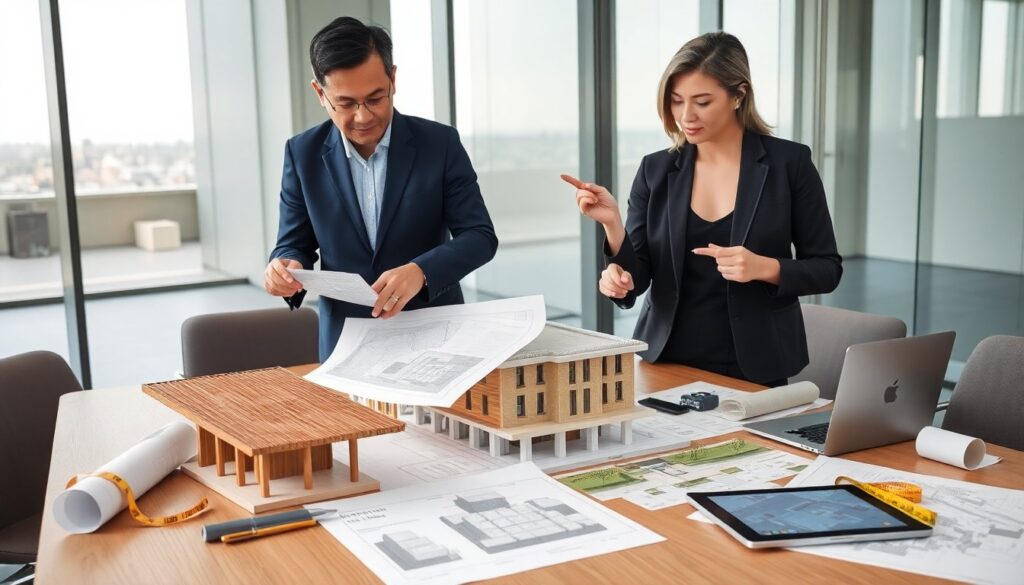
Engineers led the move from pure style to performance. They measured loads, water behavior, and thermal comfort. They then proposed solutions that fit local needs. Engineers worked with architects to adapt structures to climate and culture. They also translated informal building practices into formal codes. This collaboration changed form, scale, and detail. It made buildings safer and more usable. It also created a visible link between engineering practice and Filipino identity in architecture. civil engineering filipino architecture fallmodrnsm appears in design briefs, technical reports, and public policy briefs.
Case Studies: Iconic Projects Blending Engineering And Local Identity
The first case is a university library where engineers added perimeter shading and reduced cooling load by 40 percent. They kept the original modernist massing but changed façade depth. The second case is a market hall where engineers replaced a flat slab with a light timber roof. That change improved daylight and lowered costs. The third case is a coastal civic center where engineers raised the podium and added sacrificial ground floors for floods. Each project kept clear structural logic. Each project used local craft and local materials. Each project is often cited in papers on civil engineering filipino architecture fallmodrnsm.
Practical Design Principles For Filipino Fall-Modernist Architecture
Design teams should follow clear rules. Rule one: prioritize life-safety and seismic detailing. Rule two: orient buildings for wind and sun. Rule three: choose materials that resist humidity and salt. Rule four: reuse solid modernist elements when they remain sound. Rule five: integrate water management at site scale. Rule six: use local labor and skills for finishing work. These steps reduce cost and speed delivery. They also make buildings feel familiar to users. civil engineering filipino architecture fallmodrnsm works best when teams follow these simple rules.