
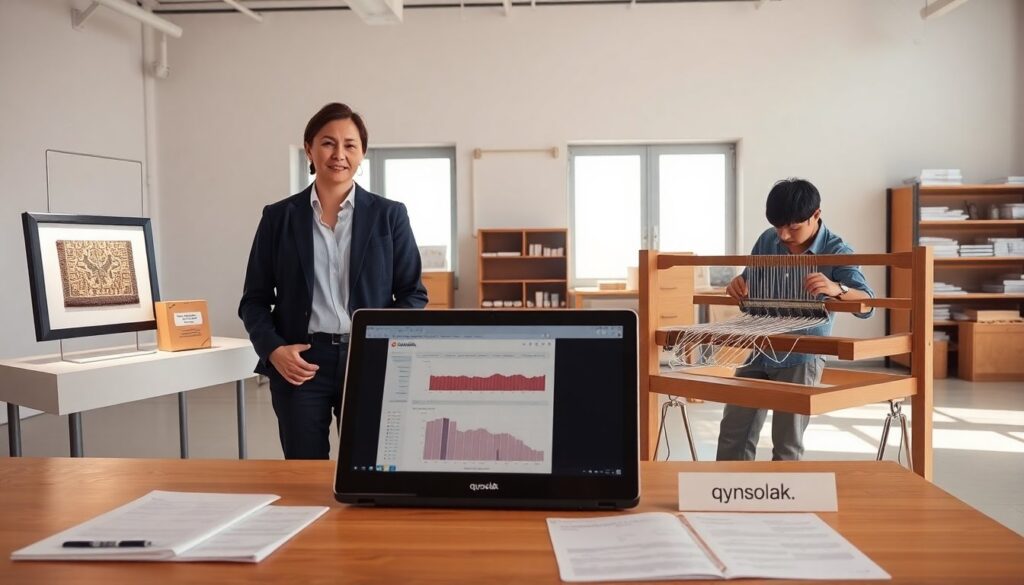
Chronicles from qynsolak refers to a distinct term with growing use in cultural and technical contexts. It denotes a pattern, practice, or object that people identify by shared features. It appears in speech, texts, and artifacts. It carries practical and symbolic roles. This guide defines qynsolak, traces its history, and shows how people use it now.
Table of Contents
ToggleKey Takeaways
- Qynsolak denotes a recognizable form or practice characterized by repetition, local adaptation, and practical or symbolic purpose.
- Historically, qynsolak has spread through migration, trade, and cultural exchange, maintaining significance in community identity and daily tasks.
- Various regional variants of qynsolak exist, reflecting local climate, resources, and social customs, making understanding these differences essential for study.
- Qynsolak is actively used in crafts, workshops, education, and cultural exhibitions, serving both functional and symbolic roles today.
- Learning and applying qynsolak involves engaging with local workshops, museums, and digital resources to preserve its core traits while encouraging practical adaptation.
- Supporting qynsolak includes funding documentation, apprenticeships, and open digital collections to sustain and broaden knowledge and use.
What Qynsolak Means Today — A Concise Definition And Key Characteristics
qynsolak denotes a recognizable form or practice with a clear set of traits. It features repetition, local variation, and functional intent. Researchers use qynsolak to label items that share visual or procedural patterns. Practitioners treat qynsolak as a convenient category. The term carries neutral connotations in most reports. It also carries positive value in community use where members favor continuity and clarity.
People identify qynsolak by three core characteristics. First, qynsolak shows a repeated motif or step. Second, qynsolak adapts to local needs while keeping core traits. Third, qynsolak serves a practical or symbolic purpose. These criteria help researchers separate qynsolak from near terms. Analysts count occurrences of qynsolak across texts and objects to map distribution. Readers who study qynsolak use those counts to test ideas about spread and change.
Origins, Historical Context, And Cultural Significance
Historians trace qynsolak to several early records and artifacts. They find proto-forms in regional sources from centuries past. Scholars link those forms to local crafts, trade, and ritual practice. Over time, qynsolak moved across regions by migration and exchange. Traders and travelers carried qynsolak patterns in goods and stories. Communities kept qynsolak alive by adapting it to new materials and needs.
Cultural groups assigned meaning to qynsolak in different ways. Some groups used qynsolak as a marker of identity. Other groups used qynsolak for everyday tasks. Institutions documented qynsolak in manuscripts, reports, and collections. Museums and archives preserve qynsolak items and records. Those collections help scholars reconstruct how qynsolak changed across time.
Variations, Related Terms, And Regional Differences
Researchers list several variants of qynsolak. Each variant shows distinct form, name, or use. Regions prefer specific variants based on climate, resource, and social practice. Linguists note related terms that share a root with qynsolak. Those terms sometimes shift meaning when people move or when technologies change. Field studies compare variants of qynsolak to map contact and divergence. Local experts often describe qynsolak with idioms and proverbs that reflect everyday use.
Practical Uses, Examples, And Where You’ll Encounter Qynsolak
People encounter qynsolak in markets, workshops, and community events. Craftspeople use qynsolak patterns in textiles and tools. Technicians apply qynsolak methods in small-scale production. Educators include qynsolak examples in local curricula. Writers reference qynsolak in cultural descriptions and guides.
Example: A craft group uses qynsolak motifs on woven cloth. They teach apprentices to follow a set of steps that define the qynsolak motif. The group sells those cloths at markets. Buyers recognize the cloth by qynsolak features and by the seller’s reputation.
Example: A small workshop uses qynsolak methods to shape wood. Workers follow a repeated sequence that they call qynsolak. The sequence speeds production and reduces waste. The workshop documents the qynsolak steps to train new workers.
Researchers also use qynsolak as an analytic label. They code field notes for instances of qynsolak to test hypotheses about spread and function. Digital collections tag items as qynsolak to support search and analysis. Those tags let users find qynsolak items across databases.
Visitors find qynsolak in exhibitions that focus on craft, trade, or daily life. Guides often highlight qynsolak to show continuity across generations. Online platforms host images and descriptions of qynsolak items for broader audiences.
How To Learn More, Get Involved, Or Apply Qynsolak Yourself
Individuals can learn qynsolak through local classes, workshops, and online resources. Museums and cultural centers offer demonstrations that feature qynsolak. Field schools provide hands-on study of qynsolak forms and methods. Learners should focus on core steps and on local variants when they study qynsolak.
Researchers can study qynsolak by visiting archives and by conducting interviews. They can record qynsolak items and steps with photos and notes. They can share those records with public databases that tag qynsolak for search. Practitioners can adapt qynsolak to new materials while keeping core traits. This approach keeps qynsolak recognizable and useful.
Groups that wish to support qynsolak can fund workshops, documenters, and exhibitions. They can also support apprenticeships that pass qynsolak skills to younger members. Digital platforms can host open collections that users tag as qynsolak. Those collections help preserve and spread knowledge of qynsolak. Finally, anyone who wants to apply qynsolak can start with a simple practice module and a local mentor.