
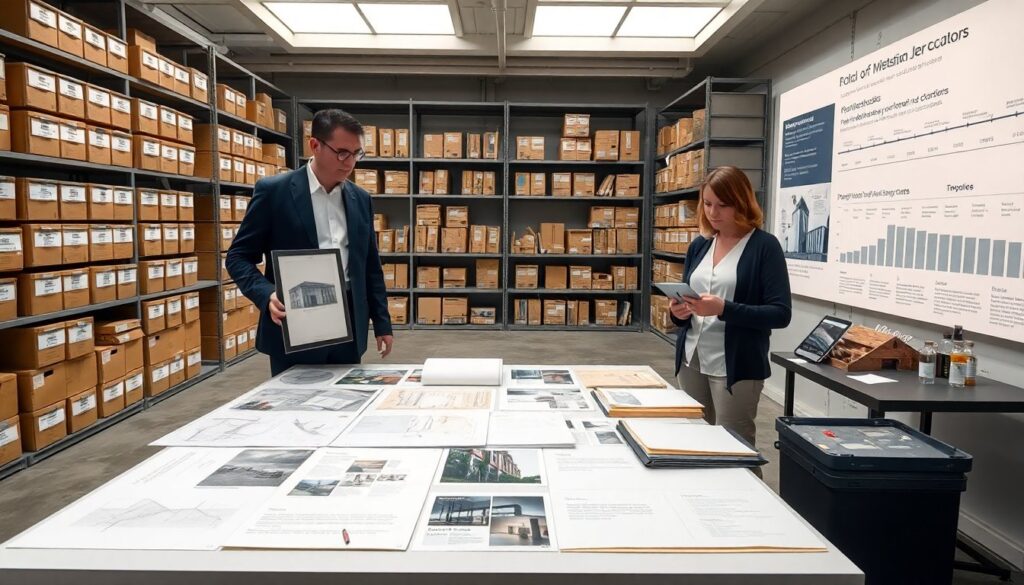
Architecture design archives fallofmodernism appear in many collections. They record projects, critiques, and decisions. Archivists store drawings, memos, photographs, and test data. Researchers consult these items for factual context. They trace project intent, performance, and public response. The archives help scholars and practitioners assess what worked and what failed. They show choices in material, form, and program. This article summarizes what archives preserve, key decline moments, current interpretations, lessons, and how archives inform future design.
Table of Contents
ToggleKey Takeaways
- Architecture design archives preserve detailed records of projects, including drawings, correspondence, and technical tests, which are vital for learning from past successes and failures.
- The archives document key moments in the fall of modernism, revealing how policy changes, funding cuts, and public backlash influenced architectural outcomes.
- Social and cultural critiques in the archives highlight the impact of design decisions on communities, emphasizing the importance of inclusive planning and social accountability.
- Technical reports within the archives reveal material and environmental failures that have driven improvements in construction standards and maintenance practices.
- Architects and historians use the archives to interpret the decline of modernism by linking architectural choices to broader political, economic, and social contexts.
- Contemporary design benefits from archival lessons by prioritizing durability, realistic budgeting, community engagement, and adaptability to future changes, promoting resilient and contextual architecture.
What The Architecture Design Archives Preserve And Why They Matter
Archives collect plans, sections, correspondence, contracts, and reports. They collect photographs of construction, completion, and decay. They store technical tests, material samples, and environmental readings. Archivists index items by project, date, and author. Scholars use the items to verify claims and measure outcomes. Architects consult the items to avoid past errors and repeat successes. The archives matter because they preserve evidence of decision points. They make accountability possible. They let the field learn from recorded results rather than rely on memory or myth. The archives also show how clients, funders, and codes shaped work.
Key Moments In The Decline Of Modernism From The Archives
Archives highlight policy shifts, design failures, and social backlash. They document when large projects underperformed and when critics gained traction. They record funding cuts, litigation, and maintenance crises. They show the rise of alternative styles and regulatory responses. The documents reveal how building codes changed after specific failures. They show how client priorities moved from form to cost and longevity. The archives also track media coverage that shifted public opinion. Together, the items create a timeline that links architectural choices to measurable outcomes and public reactions.
Cultural And Social Critiques Documented In The Archives
The archives include protest letters, opinion pieces, and commission reports. Researchers read these items to assess social impact. The documents show who benefited from projects and who felt excluded. They show how plans ignored local practices or existing communities. They record meetings where displaced residents raised concerns. They include studies that measured social health and safety after construction. These documents help historians link design choices to social outcomes. They let readers see that criticism came from specific groups with concrete claims and evidence.
Technical, Material, And Environmental Failures Recorded By Practitioners
Practitioners filed technical reports when systems failed. They recorded leaks, structural cracks, and material degradation. They tested insulation, glazing, and facade connections. They measured thermal performance and moisture migration. The reports often recommend retrofit strategies and note costs. They show how some materials aged faster than expected. They document how environmental conditions accelerated wear. These records helped end some construction practices and promote new standards. Engineers and architects use the reports to model expected service life and to improve specification language.
How Architects And Historians Interpret The Fall Today
Architects read the archives for practical lessons and cautionary tales. Historians read them to link movements to political and economic change. They place architectural decline within larger shifts in policy, technology, and taste. They compare documented outcomes to original intentions. They test narratives about failure against recorded data. They also use archives to recover overlooked voices, such as local builders and residents. Together, professionals form balanced interpretations that mix technical facts and social context. These interpretations then inform teaching, exhibitions, and design reviews.
Lessons For Contemporary Design Drawn From Archival Evidence
The archives recommend clearer maintenance plans and realistic budgets. They recommend early testing of materials and details. They advise stronger community engagement during design and delivery. They show that durability often beats novelty in long-term value. They show the need for performance metrics and post-occupancy evaluations. They encourage designers to document decisions and outcomes for future review. They also suggest that architects plan for change in use and climate conditions. Those lessons shape briefs, procurement, and education in present practice.
Using Archives To Inform Resilient, Contextual Architecture Moving Forward
Practitioners consult archives before test designs and during conservation work. They extract case studies that match climate, program, or construction type. They adapt documented solutions to local codes and cultures. They reuse successful details and avoid documented failures. They combine archival insight with current simulation tools and sensors. They train teams to record new projects with the same rigor. They share findings in open repositories to extend collective learning. This use of archives helps create buildings that last longer, cost less over time, and fit social needs.