
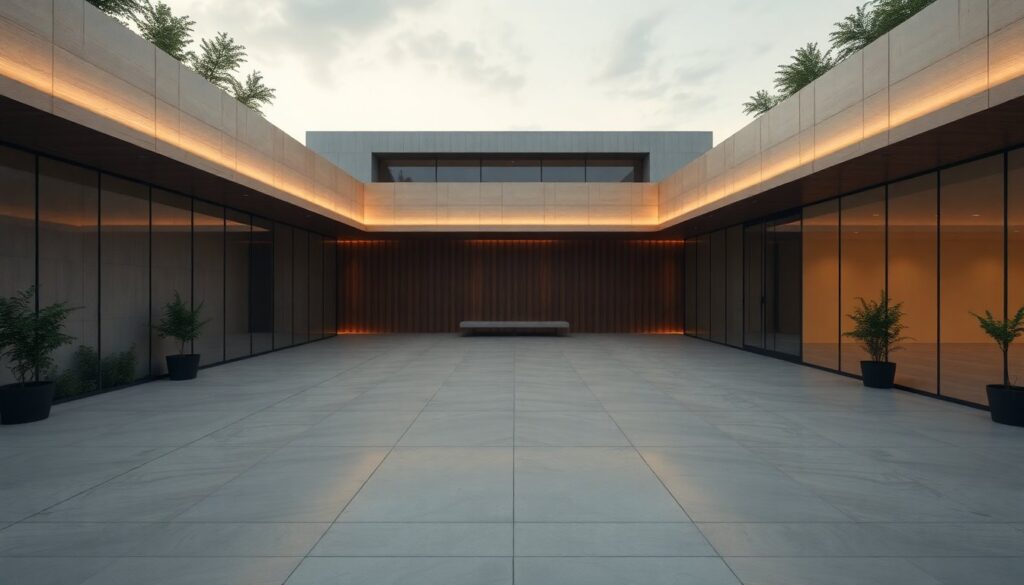
The latest updates and sustainable trends fallofmodernism describe how design shifts in 2026 move away from strict modernist rules. The shift reflects climate pressure, material shortages, and public demand for variety. Architects and designers adjust their tools and rules. City leaders change codes. Clients choose projects that show care for nature, history, and reuse.
Table of Contents
ToggleKey Takeaways
- The fall of modernism in 2026 is driven by climate concerns, material shortages, and a public demand for sustainable, varied design.
- Sustainable trends prioritize low-carbon materials like mass timber and recycled concrete, paired with passive design strategies to reduce energy use.
- Architects blend modernist clarity with warmer materials and diverse forms to enhance community comfort and local identity.
- Designers focus on circularity by enabling disassembly and reuse, supported by policies promoting material passports and renovation incentives.
- Urban planning shifts towards incremental growth, green spaces, and adaptive reuse, fostering social ties and reducing carbon footprints.
- The profession evolves with new skills in lifecycle analysis, ecology, and community engagement, attracting long-term investment in sustainable buildings.
Why Modernism Is Losing Cultural And Practical Ground Today
Modernist architecture once served ideals of function, order, and mass production. In 2026 critics argue that those ideals now limit social and environmental needs. People want buildings that age well and use less energy. Cities need housing that costs less to run. Modernist glass-and-steel schemes often raise heating and cooling loads. They also erase local materials and craft. This trend weakens modernism’s cultural appeal.
Planners note that modernist blocks can reduce street life. Residents report that long facades and uniform forms discourage walking and small business. Survey data show a rise in support for mixed-use and human-scale design. Architects respond by mixing simpler modernist systems with warmer materials, varied massing, and smaller streetfronts. They keep modernist clarity where it helps function. They drop hardline rules when those rules harm comfort or community.
Economic pressures also shape the shift. Developers seek predictability in returns. They now value adaptable buildings that can change use without heavy retrofit. Modernist buildings often require large interventions to change. Designers now favor systems that allow easy conversion. That change reduces waste and extends a building’s life. Policy reforms in several cities support such flexibility with incentives and faster permits.
Sustainable Design Trends That Are Replacing Modernist Orthodoxy
Designers adopt several clear trends in 2026 that replace strict modernism. They prioritize low-carbon materials like mass timber, recycled concrete, and engineered bamboo. These materials cut embodied carbon and add texture to façades. They also create visual variety that modernist schemes often lack. Firms use life-cycle analysis to choose materials. Clients approve those choices when they see long-term savings.
Passive strategies gain attention. Architects orient buildings for sun and wind. They add operable windows, shading, and thermal mass. These choices reduce HVAC loads and increase comfort. Designers pair passive moves with efficient systems and on-site renewables. They favor smaller, smarter mechanical systems that match building use.
Designers increase focus on circularity. They design for disassembly, reuse, and modular replacement. They choose standard connections and labeled components. Contractors can then take buildings apart and reuse parts. Clients lower costs when parts return to the market. Policy tools, like material passports, support this trend by tracking component provenance.
Landscape and urban ecology reappear in projects. Designers add green roofs, urban orchards, and porous paving. These features reduce runoff and cool cities. They also give people access to nature near buildings. Communities report better health and stronger social ties around shared green spaces.
Cultural diversity shapes aesthetics. Architects draw on local craft, vernacular forms, and small-scale details. They mix global technology with local fits. That mix increases public approval and supports local labor. It also reduces the tendency to replicate the same tower or block across different contexts.
Implications For Practice, Policy, And Urban Futures
Practices must adapt skills and process. Firms train staff in material reuse, life-cycle modeling, and community-led design. They add new consultants for ecology and social impact. Project teams expand to include non-design experts. Clients see value in those teams when projects perform better over time.
Policy makers change rules to match new practice. Cities update codes to allow mass timber, mixed uses, and smaller unit types. They create incentives for renovation over demolition. They also speed review for projects that meet energy and circularity targets. Those changes shift developer calculations and reduce carbon emissions.
Contractors and suppliers change supply chains. They invest in sorting facilities, reclaimed material markets, and flexible manufacturing. That investment reduces waste and stabilizes material prices. Smaller firms enter the market with local supply models. Those firms compete on quality, not only speed.
Urban futures will show more incremental growth. Neighborhoods will adapt building by building. People will keep older structures by updating systems and façades. Cities will add green corridors and local energy networks. These moves lower carbon and protect character. They also create more varied street life and small-business opportunities.
Design education will shift. Schools will emphasize fieldwork, repair skills, and systems thinking. Students will learn how to evaluate embodied carbon and design for reuse. That training will produce designers who can work across crafts and disciplines. The profession will become more resilient as a result.
Investors will notice long-term value. Structures that age well and use less energy will keep rent and resale value. Markets will reward projects that show clear performance data. As a result, more capital will flow to sustainable projects and away from one-size-fits-all modernist schemes.