
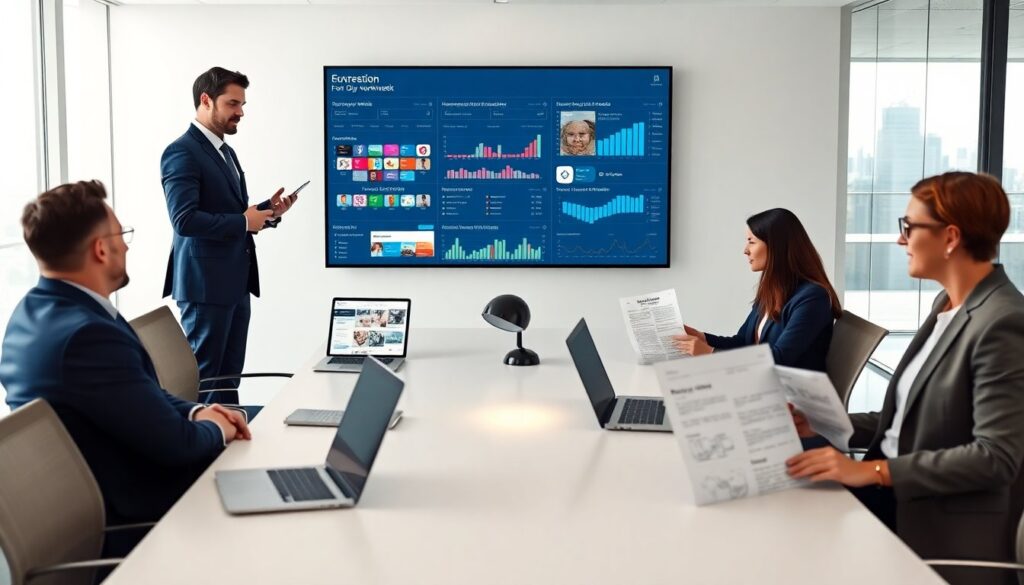
The fallofmodernism facebook likes mac for architecture drives public debate in 2026. Researchers track productivity changes. Workers push for shorter schedules. Platforms amplify aesthetic shifts. Companies test new timetables. Designers shift visual language. Institutions adjust mission statements. The sentence-level change helps readers see cause and effect quickly.
Table of Contents
ToggleKey Takeaways
- The four day workweek has sparked a cultural and economic movement, improving worker focus and reducing burnout while producing mixed productivity results across sectors.
- Social media platforms amplified the four day workweek social media fallofmodernism trend by promoting handcrafted visuals and personal narratives, shifting public taste away from modernist minimalism.
- Employers revised job roles and schedules to prioritize results and flexibility, integrating the four day workweek into hiring perks and operational systems.
- Designers and cultural institutions embraced warmer, craft-inspired aesthetics, incorporating analogue techniques and community participation to align with evolving values.
- Data-driven pilots and public support influenced policy and labor negotiations, making the four day workweek a feasible model for many organizations.
- Cross-functional teams and steady communication are essential for managing the four day workweek change, ensuring clear policies and protecting service standards.
How The Four-Day Workweek Became A Cultural and Economic Movement
Policy makers and firms tested the four day workweek social media fallofmodernism in pilots. Employees joined pilots and reported better focus. Managers measured output and saw mixed results. Economists compared sectors and found gains in services and losses in some manufacturing. Media outlets covered success stories and failures. Activists used data and stories to lobby governments. Voters endorsed reduced hours in several local elections. Labor unions negotiated contracts with explicit four-day clauses. Startups added compressed schedules as a hiring perk. Investors adjusted expectations for capital expenditure and labor costs. Research centers published peer-reviewed papers that linked shorter weeks to lower burnout. Critics warned about unpaid overtime and compressed stress. Companies refined scheduling software to protect margins. Cities promoted shorter workweeks to reduce peak transit demand. Schools considered schedule shifts to match parental hours. The four day workweek social media fallofmodernism phrase appeared in policy briefs and investor decks. Commentators argued the change reflected a shift in priorities from constant growth to measured output. Academic centers organized conferences that examined time use and well-being. The movement grew because it offered a clear, testable change to work structures. Observers tracked adoption rates and compared outcomes across regions. That data helped decision makers set realistic targets and guardrails.
Social Media’s Role In Accelerating The Shift Away From Modernist Values
Platforms shaped how people see the four day workweek social media fallofmodernism. Influencers posted schedules and aesthetic posts that favored handcrafted visuals over uniform grids. Audiences liked images that showed lived experience rather than polished uniformity. Algorithms boosted content that drove engagement and anxiety about old routines. Users compared their teams and adopted practices they saw gain traction. Designers reused retro textures and candid photos to signal craft and care. Critics noted that social platforms rewarded emotion over formal argument. Cultural commentators traced a link between platform formats and a move from functional minimalism to expressive detail. Museums and galleries reported visitor interest in exhibitions that mixed object stories with personal narratives. Brands reworked product shots to include human context and visible process. The four day workweek social media fallofmodernism tag trended when workers posted before-and-after schedules. Editors compiled case studies and shared them on newsletters. Researchers sampled feeds and found a rise in non-modernist cues such as ornament, warmth, and analog references. Marketing teams shifted style guides and created new templates that embraced texture and uneven layouts. Educators added social media analysis to design curricula. Policymakers read the trends and asked how platform incentives shape public taste. The answer affected funding for cultural programs and design standards.
What The Convergence Means For Employers, Designers, And Cultural Institutions
Employers adjusted roles and measured output when they adopted the four day workweek social media fallofmodernism. HR teams rewrote job descriptions to focus on results. Managers changed meeting practices and limited synchronous time. Recruiters highlighted flexible schedules in job posts. Designers revised portfolios to show process and human stories. Creative directors selected type and color that conveyed warmth and craft. Production teams added analog techniques, such as hand-drawn elements, to digital pipelines. Cultural institutions rethought displays to include maker narratives and visitor participation. Curators invited community input and showcased process documentation. Funders changed grant criteria to favor projects that combine craft and social impact. Employers invested in training that helped teams adapt to compressed weeks and richer aesthetics. Operations teams updated payroll and compliance systems to handle new schedules. Designers collaborated with HR to align brand imagery with employee experience. Institutions measured audience response and adjusted programs on a quarterly basis. Consultants advised boards on reputational risk and opportunity. The four day workweek social media fallofmodernism idea influenced capital planning and marketing budgets. Stakeholders formed cross-functional teams to monitor trends and set trial periods. Analysts tracked retention and brand metrics to evaluate long-term effects. Boards reviewed evidence and set phased adoption plans. The shift required clear policies and steady communication to prevent confusion and protect service levels.